


Flathead County Dog Bite Injury Lawyer
Understanding Dog Bite Charges in Montana
Dog bite injuries can lead to serious physical harm, emotional distress, and significant medical expenses. A Flathead County dog bite injury lawyer helps injured victims understand their legal rights after an animal attack and guides them through the process of pursuing compensation under Montana law.
Legal guidance can be especially important when injuries require ongoing treatment, result in permanent scarring, or cause financial hardship due to missed work. Early legal review of the circumstances of the attack helps determine the most appropriate path forward.
Investigating Liability and Insurance Coverage
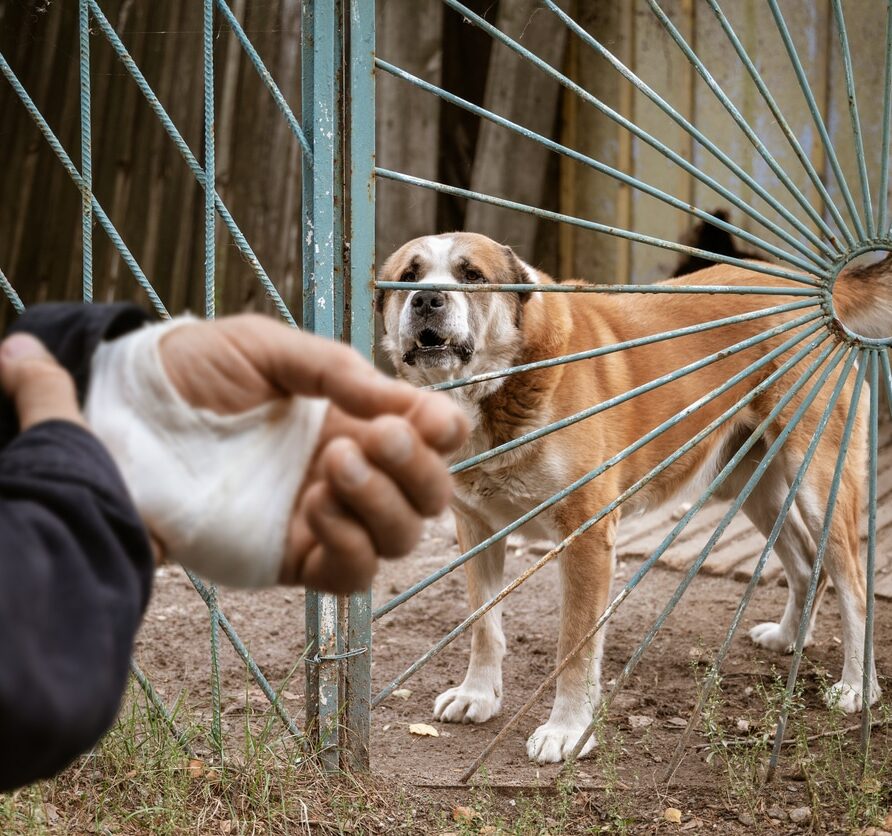
One of the first steps in a dog bite claim involves determining who may be responsible for the injury. A Flathead County dog bite injury lawyer typically investigates the circumstances of the incident, including how the attack occurred and whether the dog owner failed to properly control the animal.
This process may involve reviewing animal control records, gathering witness statements, examining photographs of injuries, and identifying available insurance coverage. Many dog bite claims are handled through homeowners’ or renters’ insurance policies that may apply to the dog owner.
Negotiating and Litigating Dog Bite Injury Claims
A dog bite injury law firm in Flathead County manages communications with insurance companies and other parties involved in the claim. Insurance adjusters may attempt to minimize payouts or dispute liability, making experienced negotiation important during the settlement process.
If a fair resolution cannot be reached through negotiations, the claim may proceed to litigation. This may involve filing a lawsuit, conducting discovery, presenting evidence, and, if necessary, advocating for the injured victim in court.
Why Early Legal Guidance Matters
Consulting a Flathead County dog bite injury attorney promptly after an attack can help preserve key evidence and ensure that legal deadlines are not missed. Prompt legal evaluation by a dog bite injury attorney also allows injured victims to better understand their options and begin building a strong claim while the details of the incident remain fresh.
Immediate Steps to Take After a Dog Bite or Animal Attack
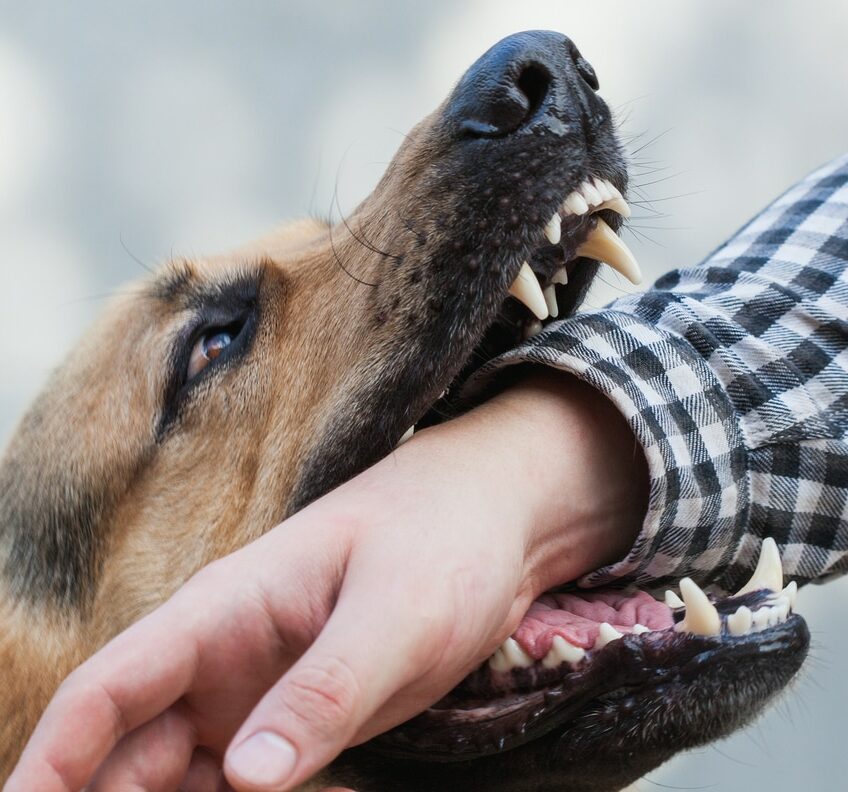
The first priority after a dog bite or animal attack is medical attention. Even small puncture wounds can lead to serious infections. Prompt treatment also creates medical records that document the injury, which can be important evidence if you pursue a claim later.
Photograph Injuries and the Scene
Take clear photographs of the injuries, torn clothing, bloodstains, and the location where the attack occurred as soon as possible. Continue documenting the healing process to preserve visual evidence.
Report the Incident to Authorities
Dog bites should be reported to local animal control or law enforcement. These reports create an official record of the attack and may confirm the dog’s vaccination status. Animal control may also investigate whether the dog has a history of aggressive behavior.
Collect Owner and Witness Information
If you are able, obtain the dog owner’s name, address, phone number, and insurance information. Witnesses can also play an important role; gather their names and contact details while the incident’s memories are still fresh.
Contact a Flathead County Animal Attack Lawyer
Speaking with a Flathead County animal attack lawyer early can help protect your claim. Legal guidance from your personal injury attorney can help preserve evidence, handle insurance communications, and ensure important filing deadlines are not missed.
Legal Grounds for Dog Bite Injury Claims in Flathead County
Dog bite injury claims in Flathead County may be pursued under several legal theories. The theory used in your case depends on where the attack occurred and the circumstances surrounding the incident. Understanding these legal grounds can help injured victims determine how liability may be established.
Strict Liability
In certain municipalities, strict liability laws may apply to dog bite cases occurring within incorporated city or town limits. Under strict liability, a dog owner may be held responsible for injuries caused by their dog, even if the animal had never bitten anyone before.
Key considerations often include:
- Strict liability definition: The owner may be legally responsible for injuries caused by their dog, regardless of whether they had prior knowledge of the dog’s aggressive behavior.
- Location of the attack: Strict liability rules may apply when the bite occurs within an incorporated city or town in Flathead County.
- Lack of provocation: Victims should document that the attack was unprovoked, as provocation can affect liability.
- Prior aggressive behavior: Evidence of a previous bite or a dangerous-dog designation can further strengthen a dog bite injury lawsuit.
Negligence
When strict liability does not apply, dog bite claims may use the legal principle of negligence. Negligence means the dog owner failed to exercise reasonable care in controlling or supervising the animal, resulting in injury to someone.
- Examples of negligent conduct may include:
- Allowing a dog to roam freely without proper restraint
- Failing to supervise a dog known to be aggressive
- Ignoring warnings about dangerous behavior
- Not maintaining secure fencing or gates
A bite injury attorney typically proves negligence by demonstrating that the dog owner owed a duty of care, breached that duty through careless conduct, and that the breach directly caused the victim’s injuries.
Negligence Per Se
Negligence per se is a legal concept that applies when a dog owner violates a law designed to protect people, such as a leash law. In these cases, the violation itself can be considered proof that the owner was careless.
Important factors include:
Evidence collection: Obtaining copies of relevant local ordinances can help support a claim.
Leash-law violations: Allowing a dog to run loose in violation of a local ordinance may establish negligence per se.
Municipal codes: Local animal control regulations in Flathead County cities may apply.
Evidence to Collect for a Dog Bite Injury Case
Photographs can provide powerful evidence in a dog bite injury case. Take clear pictures of the injuries as soon as possible after the attack and continue documenting the healing process over time. Capture multiple angles and distances to show the severity of the wounds.
If possible, also photograph the incident location, the dog involved, torn clothing, and any visible hazards. These images can help establish how the attack occurred and demonstrate the physical impact of your injuries.
Keep All Medical Records and Bills
Medical documentation plays a critical role in proving damages. Save every record related to treatment, including emergency room reports, physician’s notes, prescriptions, surgical records, and physical therapy documentation.
Keep copies of all medical bills and receipts. These records help establish the financial cost of the injury and provide evidence of the care required to treat the dog bite.
Obtain Official Reports
Official reports can strengthen a dog bite claim by documenting the incident with local authorities. Animal control reports often include important details about the dog, such as vaccination status and any history of aggressive behavior.
Police reports may also be available if law enforcement responded to the scene. These records can provide an independent account of the event and may identify witnesses or confirm the circumstances surrounding the attack.
Collect Witness Statements
Witnesses can provide valuable information about how the incident occurred. If anyone saw the attack, obtain their names, phone numbers, and a brief statement describing what they observed.
Witness testimony can help clarify disputed facts, especially if the dog owner later challenges the account of how the incident happened.
Preserve Communication and Provide Evidence to Your Attorney
Save all communication with the dog owner, property owner, or insurance company. This includes emails, text messages, letters, and, when available, recorded phone conversations.
Providing this evidence to our Flathead County dog bite injury attorney allows for a thorough evaluation of the claim. Early review of documentation can help identify liability issues, preserve critical evidence, and strengthen your case moving forward.
Damages and Case Value in Dog Bite Injury Claims
Medical costs are often the largest component of a dog bite injury claim. Compensation may include emergency room care, ambulance transportation, wound treatment, and follow-up medical visits. Serious dog attacks can also require reconstructive surgery, skin grafts, or long-term rehabilitation.
Your future medical expenses may also be included in a claim. If an injury requires ongoing care, physical therapy, or additional surgical procedures, those projected costs may be considered when evaluating the case’s value.
Scarring, Disfigurement, and Emotional Trauma
Dog bites frequently leave visible scars, particularly on the face, arms, or legs. Your potential compensation may address permanent scarring or disfigurement, especially when injuries affect appearance or confidence. These damages recognize the lasting physical impact of the attack.
Victims may also experience emotional trauma after a dog attack. Anxiety, fear of animals, sleep disturbances, or post-traumatic stress symptoms can occur, particularly in children. Compensation may reflect the psychological effects of the injury and the disruption it causes in daily life.
Pain and Suffering Considerations
Pain and suffering damages reflect the physical pain and personal hardship caused by the injury. Factors that often influence these damages include the severity of the injury, the length of recovery, the level of medical treatment required, and whether permanent damage occurred.
Courts and insurance companies may also consider how the injury affects everyday activities, mobility, and overall quality of life.
Lost Income and Reduced Earning Capacity
Dog bite injuries may force victims to miss work during recovery. Compensation may include lost wages, missed business opportunities, or reduced work hours.
If the injury leads to long-term limitations that affect a person’s ability to work or earn income, diminished earning capacity may also be included as part of the damages.
How Case Value Is Evaluated
Our dog bite injury law firm in Flathead County typically evaluates settlement value by reviewing medical records, treatment costs, lost income, long-term medical needs, and the overall impact of the injury. Evidence, insurance coverage, and liability factors can all influence the potential value of your claim.
Filing Deadlines and Timeline For Dog Bite Injuries
Montana law places strict deadlines on personal injury claims, including those involving dog bites. In most cases, injured victims have three years from the date of the attack to file a personal injury lawsuit. This statute of limitations applies to many dog bite injury claims brought in Flathead County courts.
Waiting too long to pursue legal action can prevent you from recovering compensation entirely. Once the legal deadline expires, courts may dismiss the case regardless of the severity of the injury. Because of this, speaking with a Flathead County dog bite injury lawyer early in the process can help ensure filing deadlines are properly addressed.
Preserve Evidence as Soon as Possible
Evidence plays a critical role in building a strong dog bite injury claim. Important details can disappear quickly if they are not documented soon after the incident. Photographs of injuries, medical records, witness statements, and animal control reports may all help establish liability and damages.
Prompt investigation can also help identify the dog owner, confirm vaccination records, and determine whether the animal had a history of aggressive behavior. Acting quickly helps prevent evidence from being lost or forgotten.
Typical Timeline for a Dog Bite Injury Case
Dog bite injury cases may take several months or more than a year to resolve, depending on the circumstances. Early stages often involve medical treatment, investigation, and gathering documentation related to the attack.
Many cases are resolved through negotiations with insurance companies once the full extent of injuries and medical costs becomes clear. However, if a fair settlement cannot be reached, the case may proceed through the litigation process and ultimately to trial.

Contact Brann Law Firm Today
Dog bite injuries can leave lasting physical and emotional scars. Acting quickly after an attack can help protect your health, your legal rights, and your ability to recover compensation. Speaking with a Flathead County dog bite injury lawyer as soon as possible helps preserve important evidence and meet deadlines.
Schedule Your Free Consultation
If you or a loved one has been injured by a dog in Flathead County, consider scheduling a free case review to discuss your situation. During the consultation, an attorney can review the details of the incident, explain your legal options, and outline possible next steps. Brann Law Firm assists injured clients in understanding how Montana law may apply to their claim.
Bring Important Documentation
To make your consultation as productive as possible, bring any relevant documentation you have available. This may include medical records, photographs of injuries, witness contact information, incident reports, and any communication with insurance companies. These details can help provide a clearer picture of what happened and the extent of your injuries.
No Upfront Fees for Representation
Most Flathead County dog bite injury lawyers offer representation on a contingency-fee basis. This means you do not usually pay upfront legal fees, and no attorney fees are owed unless compensation is recovered. To learn more or schedule a free consultation, contact Brann Law Office today.
Frequently Asked Questions
When can a dog owner be held liable for a dog bite in Montana?
A dog owner may be held liable if their dog bites or attacks someone due to negligent handling, improper restraint, or failure to control the animal. Liability often depends on the circumstances of the incident and whether the owner knew or should have known the dog posed a risk.
Do I need proof that the dog has bitten someone before?
Not necessarily. While prior aggressive behavior can strengthen a claim, victims may still pursue compensation even if the dog has no documented biting history. Evidence showing the owner failed to properly control the animal or prevent the attack can also support a dog bite injury claim.
What compensation can I recover after a dog bite injury?
Compensation may include medical expenses, future medical treatment, lost income, reduced earning capacity, and pain and suffering. In severe cases, compensation may also address permanent scarring, disfigurement, emotional trauma, and long-term rehabilitation costs related to the dog bite injury.
What should I do immediately after a dog bite?
Seek medical attention right away, even if the wound appears minor. Report the incident to local animal control or law enforcement. If possible, document the scene, take photographs of injuries, gather witness contact information, and obtain the dog owner’s details.
How long do I have to file a dog bite injury claim in Montana?
Montana generally allows three years from the date of the injury to file a personal injury claim. Missing this deadline may prevent you from pursuing compensation. Speaking with a dog bite injury lawyer early can help ensure deadlines are met and evidence is preserved.
Can I still file a claim if the dog has never bitten anyone before?
Yes. A prior bite is not always required to pursue a claim. If a dog owner failed to control their dog or allowed it to act aggressively, they may still be held responsible for injuries caused by the attack, even without a documented history of prior incidents.
What if the dog bite happened on someone else’s property?
A claim may still be possible. Dog owners remain responsible for controlling their animals, even when the incident occurs on another person’s property. In some situations, property owners may also share liability if unsafe conditions contributed to the attack.
What if the dog owner claims the dog was provoked?
Provocation may affect liability in some cases. If a dog owner argues that the dog was provoked, the circumstances will be carefully evaluated. Evidence such as witness statements, photographs, and incident reports may help clarify what actually occurred before the bite.
Are dog bite cases usually settled or taken to trial?
Many dog bite injury claims are resolved through insurance settlements before reaching trial. However, if the insurance company disputes liability or offers inadequate compensation, the case may proceed to court, where a judge or jury determines the outcome.
What if the dog bite caused permanent scarring or disfigurement?
Permanent scarring or disfigurement can significantly increase the value of a claim. Compensation may address reconstructive surgery, long-term medical care, emotional distress, and the lasting physical impact of visible injuries, particularly when scars affect the face, arms, or other noticeable areas.
contact us Now
Jusce pharetra convallis urna. Etiam sollicitudin, ipsum eu pulvinar rutrum, tellus ipsum laoreet sapien, quis venenatis ante odio sit amet eros. Phasellus a est. Aenean tellus metus, bibendum sed, posuere ac, mattis non, nunc.

